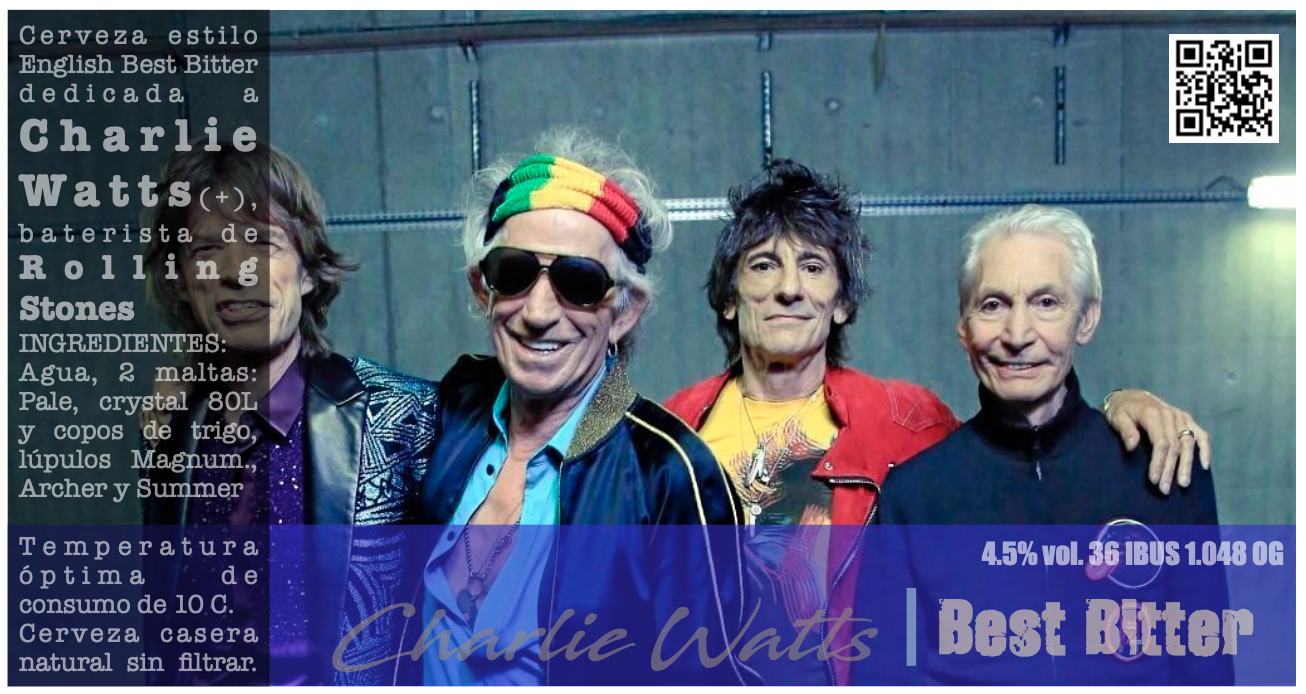
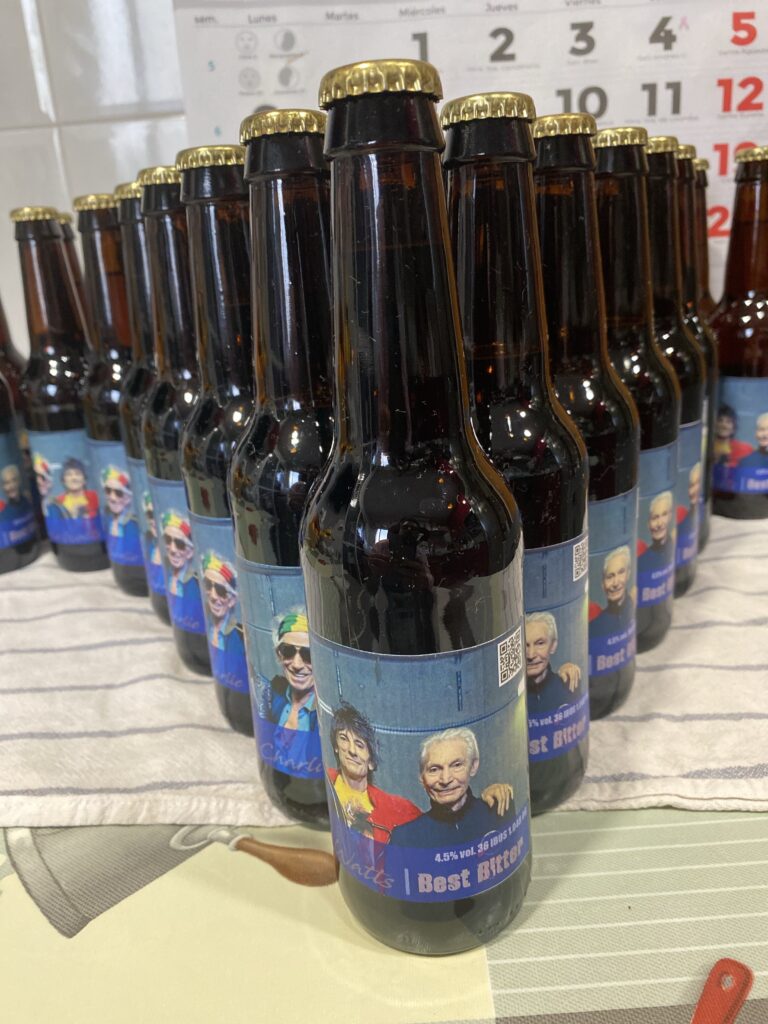
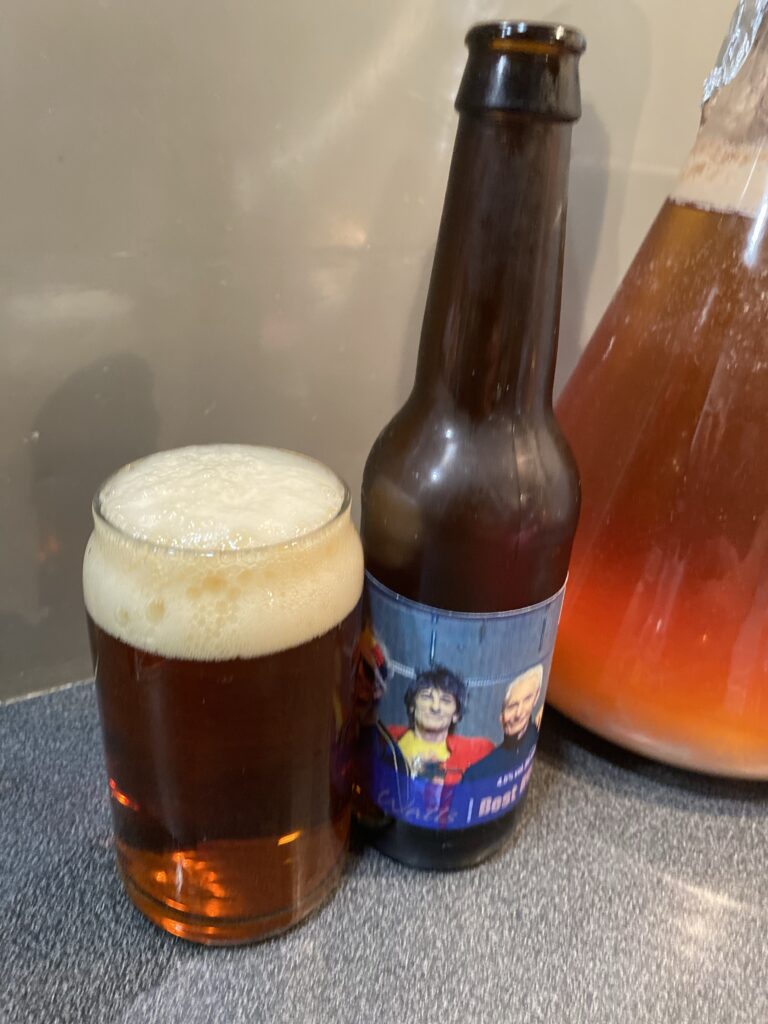
Cerveza estilo Best Bitter dedicada a Charlie Watts, Batería del grupo Rolling Stones, que fallecio el pasado 24 de agosto a los 80 años.
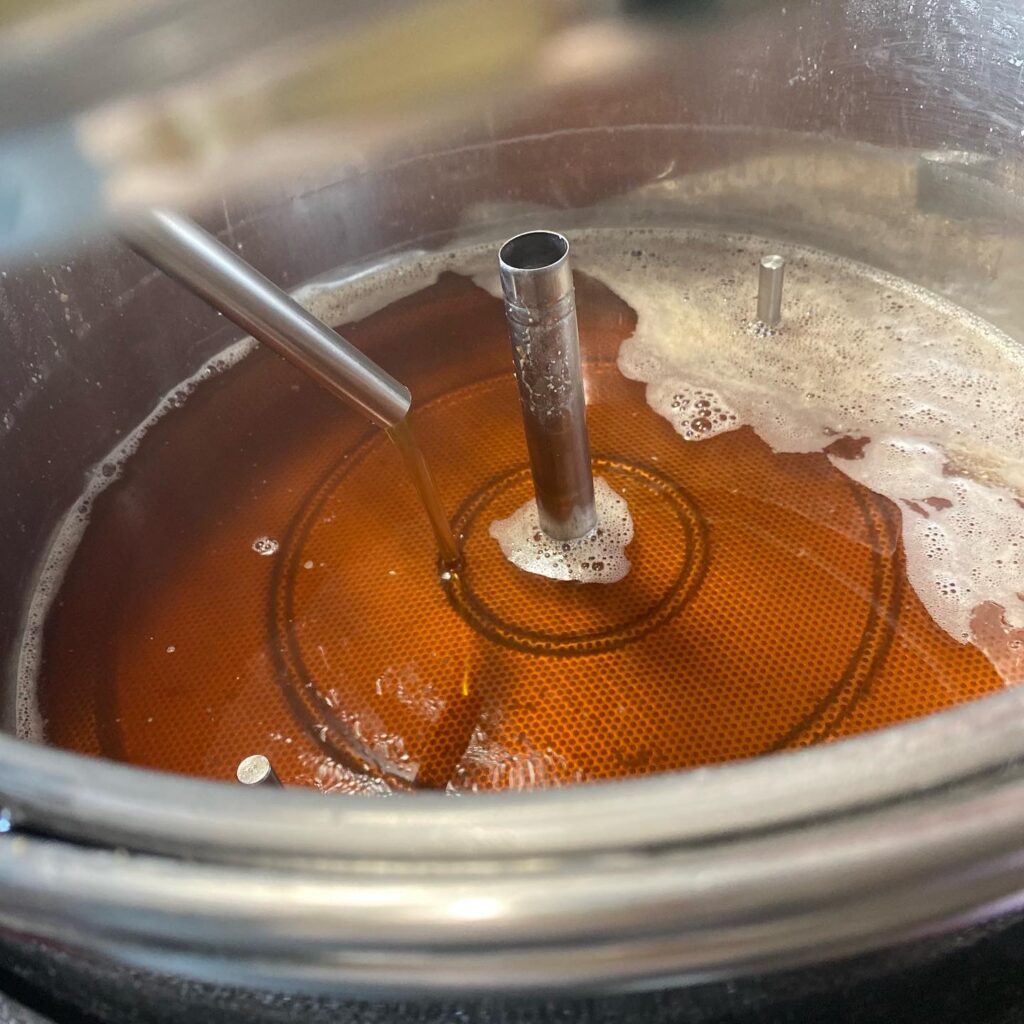
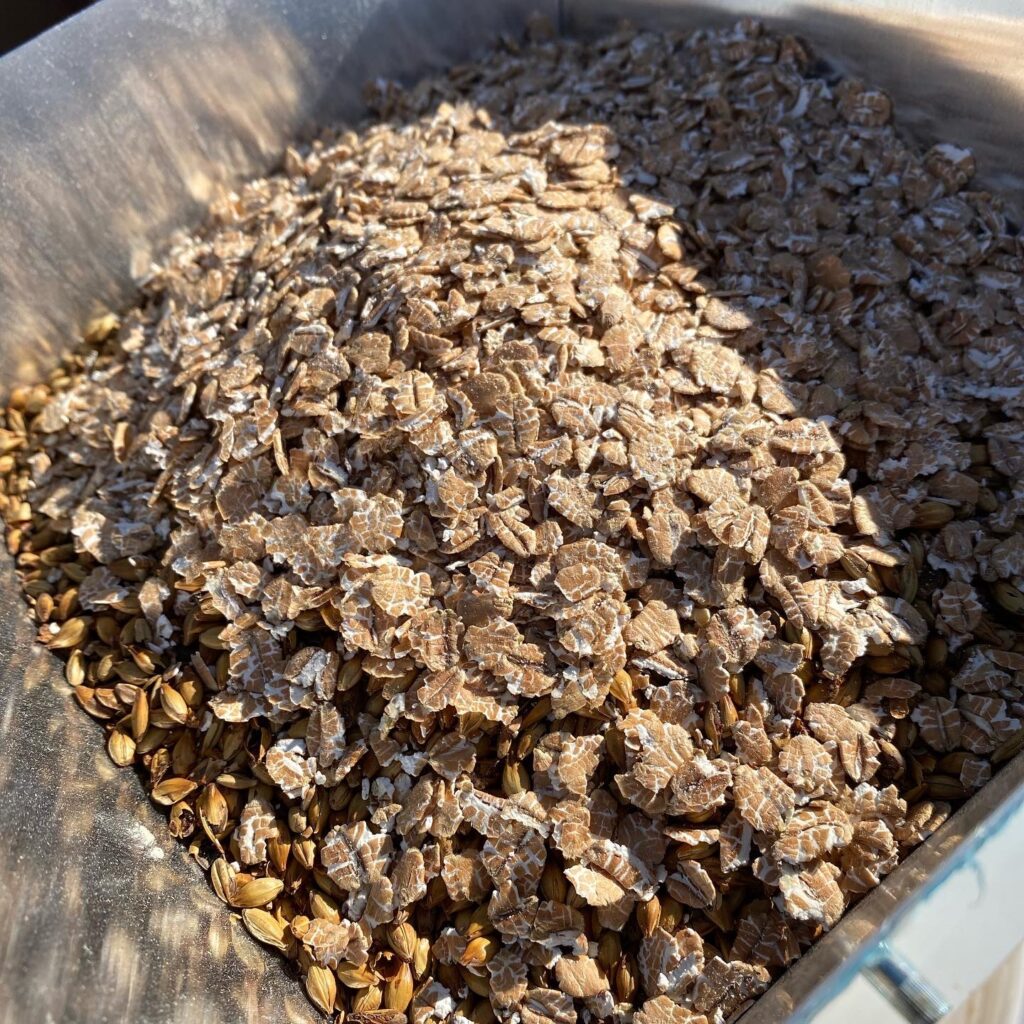

(blo͞oz and bro͞o) Brewing with Suffle since 1995
Cerveza estilo Best Bitter dedicada a Charlie Watts, Batería del grupo Rolling Stones, que fallecio el pasado 24 de agosto a los 80 años.
Cerveza conmemorativa para regalar a los asistentes a la primera comunión de Cristina el día 18 de Septiembre de 2021.

Es un día especial, los hijos crecen y el tiempo pasa muy deprisa. Y por eso hay que celebrar todas las oprtunidades de verlos crecer.
Al diseñar esta cerveza pensé en algo que fuese fácil de beber para todo el público en general y que fuera un guiño a México por motivos familiares pero que tuviese algo de pegada.
Facil de beber: Golden Ale
México: levadura lager de México DF (Coronita, negra modelo, modelo especial, etc.)
Pegada: Lúpulos un pelin subidos de tono y con un toque afrutado tropical.
El resultado: una Coronita ‘On Steroids’
Se bebe muy fácil y no cansa… ideal para contentar a todos en general aunque no sean muy iniciados en el mundo de la cerveza casera.
Para complementar la idea he diseñado una etiqueta con colores relacionados con la vestimenta y con un nombre en Nahuatl (uno de los múltiples dialectos indigenas de México) SIHUAPIL que significa niña.
Si estas leyendo esto porque te he regalado una botella y su codigo QR te ha traido hasta aquí, quiero que sepas que significa que te aprecio y por eso has podido probar mi elaboración. Si has llegado a esta página por azar o por referencia te deseo mucha suerte.
¡¡¡Nos vemos en el camino…!!!
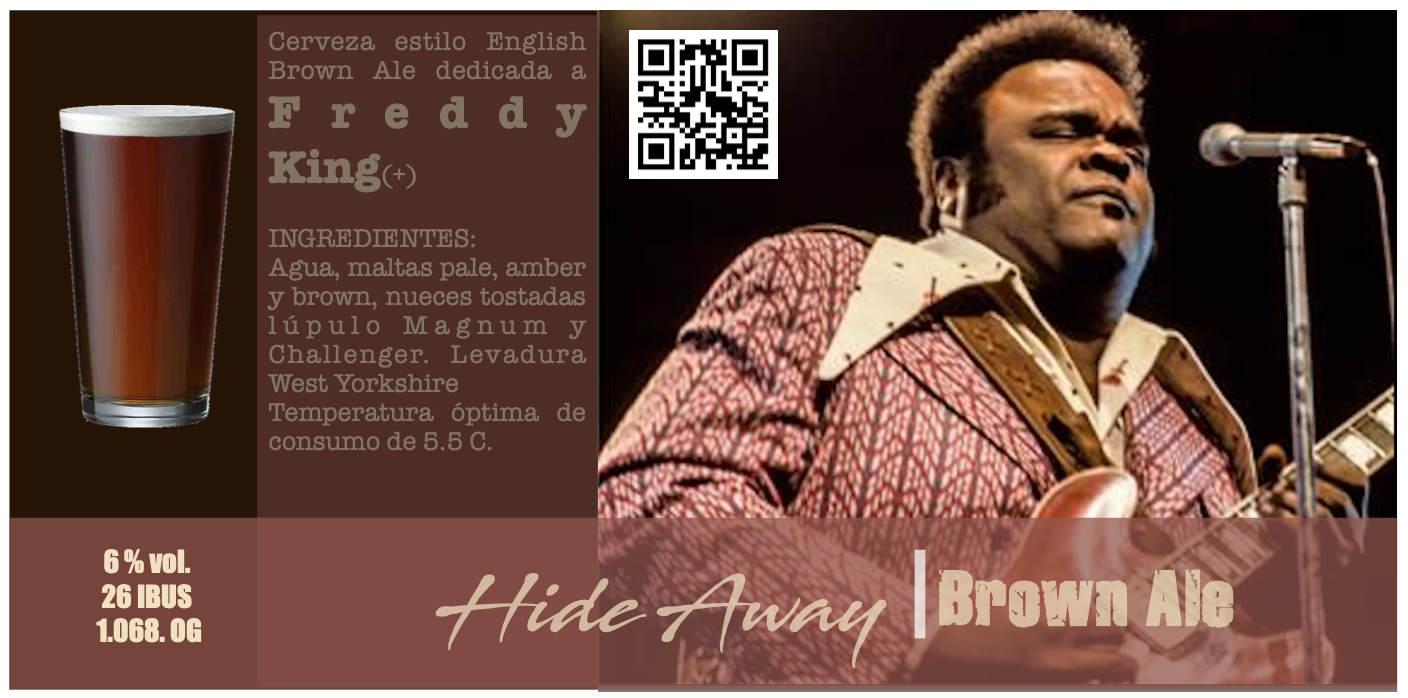
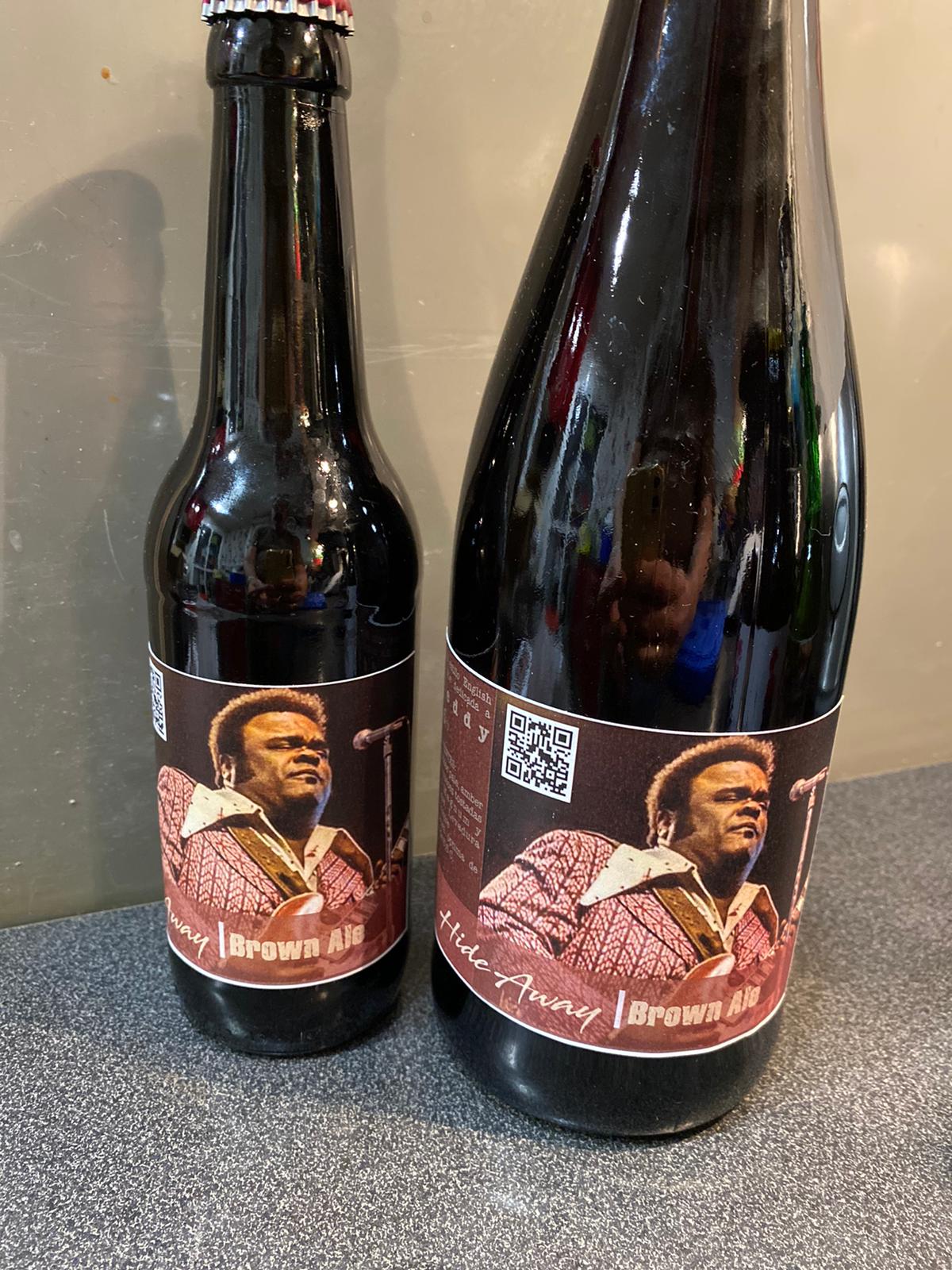
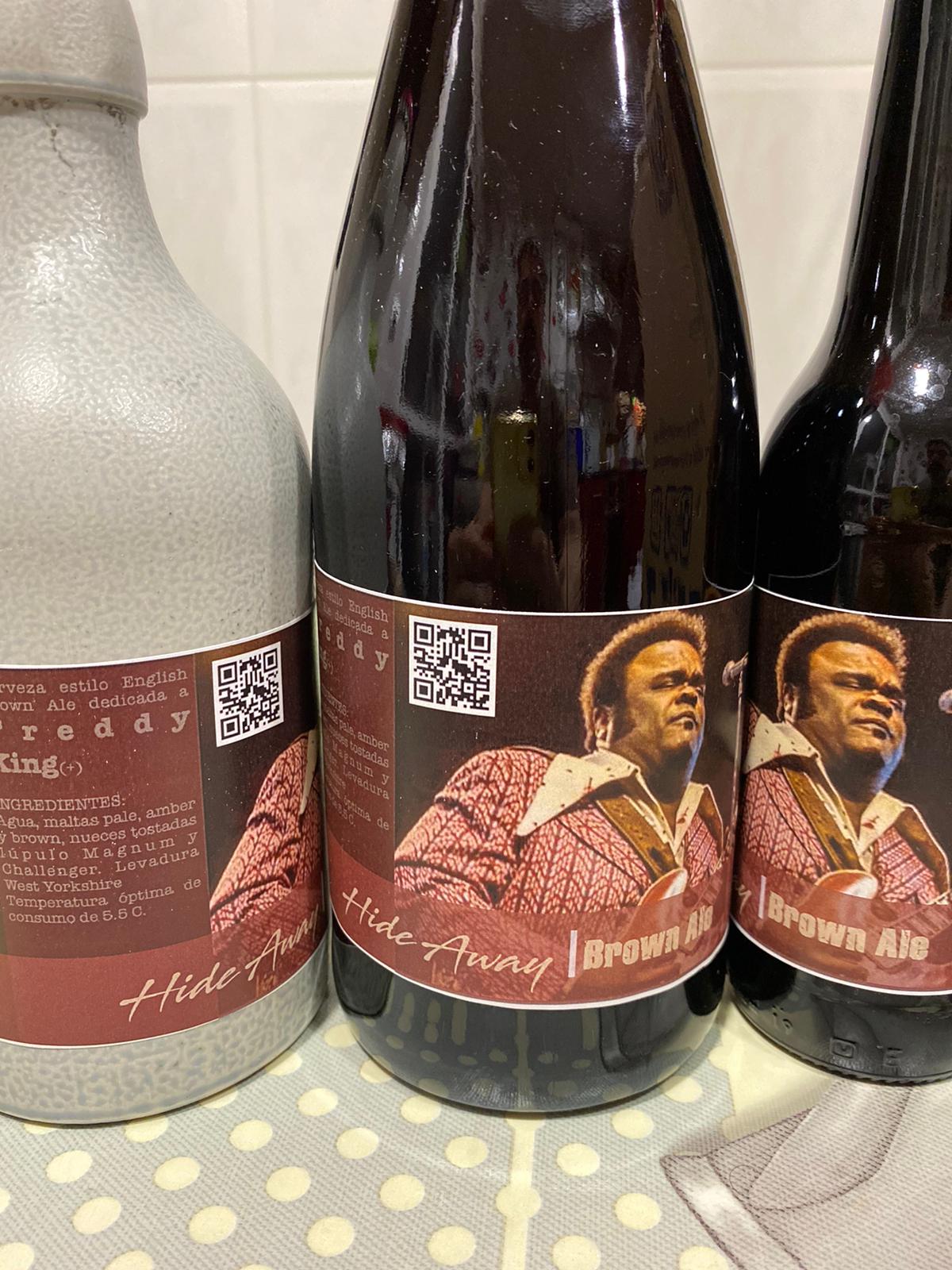
Una Brown Ale con cuerpo… ya está bien de cervezas blandas!
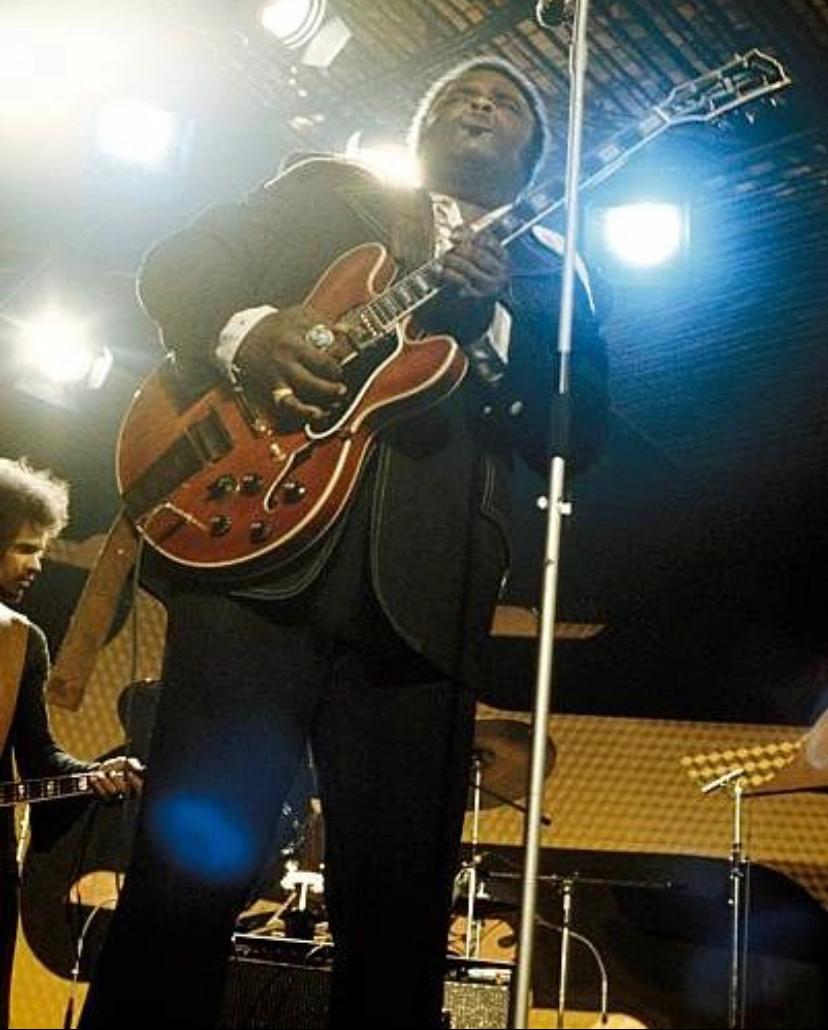
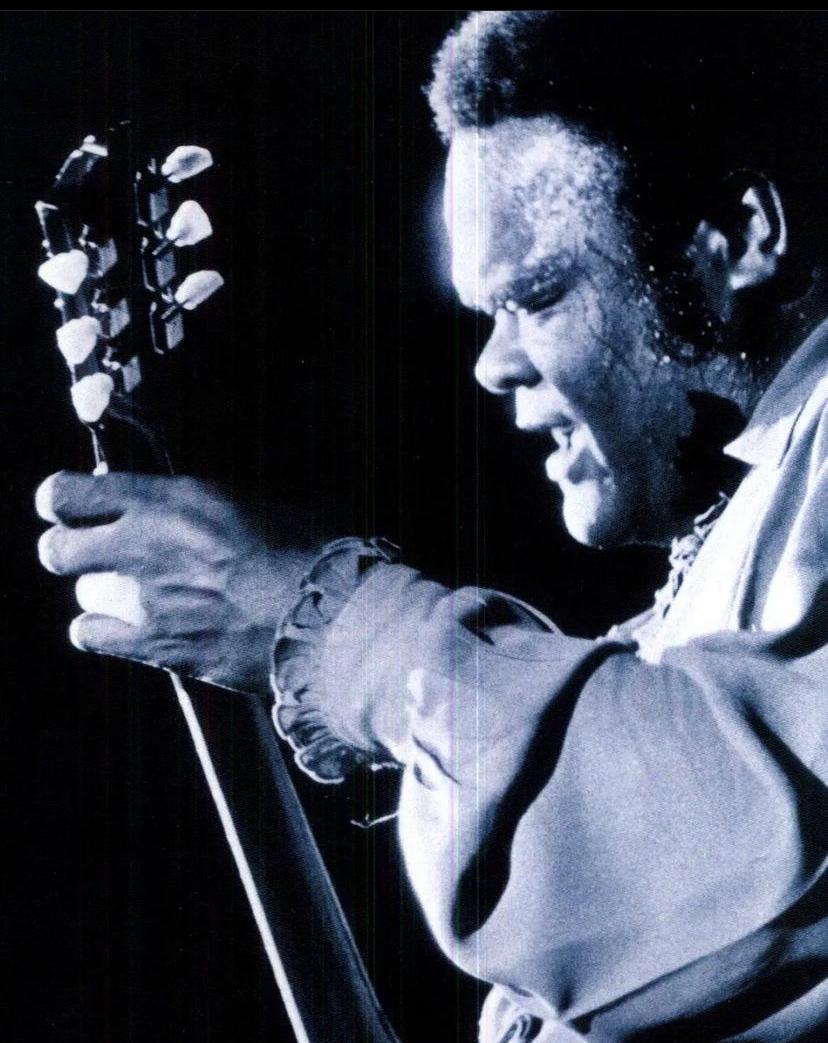
Tributo al Tejano Freddie King (3 de septiembre de 1934 – 28 de diciembre 1976).
Un gigante del Blues. Su impresionante tono electrico lo creaba usando puas en el pulgar y en el indice (influencia de Lightnin’ Hopkins) en sus guitarras Gibson (Les Paul, ES-335, ES-345 y ES-355) junto a su tremenda energía. Fue una gran inspiración para Eric Clapton y oros músicos britanicos de blues en la decada de los 60 incluyendo a John Mayal, Mick Taylor y Jeff Beck, asi como Stevie Ray Vaughan. Su música sirvio de puente entre el blues y el rock. Fue el menor y el primero en dejar a los 3 reyes del blues (Albert, B.B. y Freddie King) pero nadie duda que su legado es tan indispensable e influyente como los otros dos.
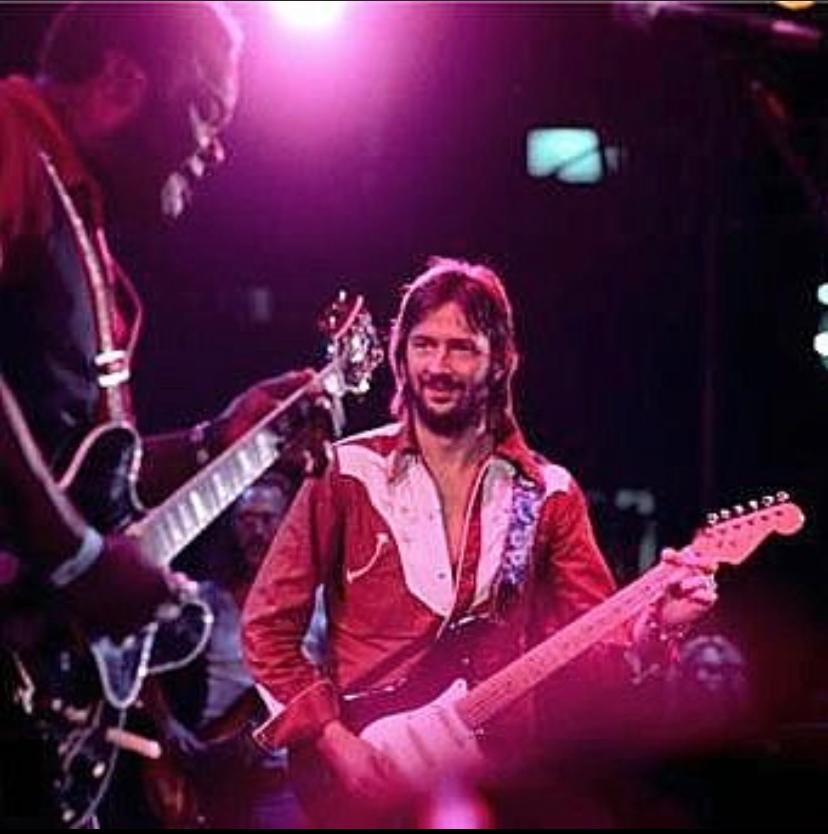
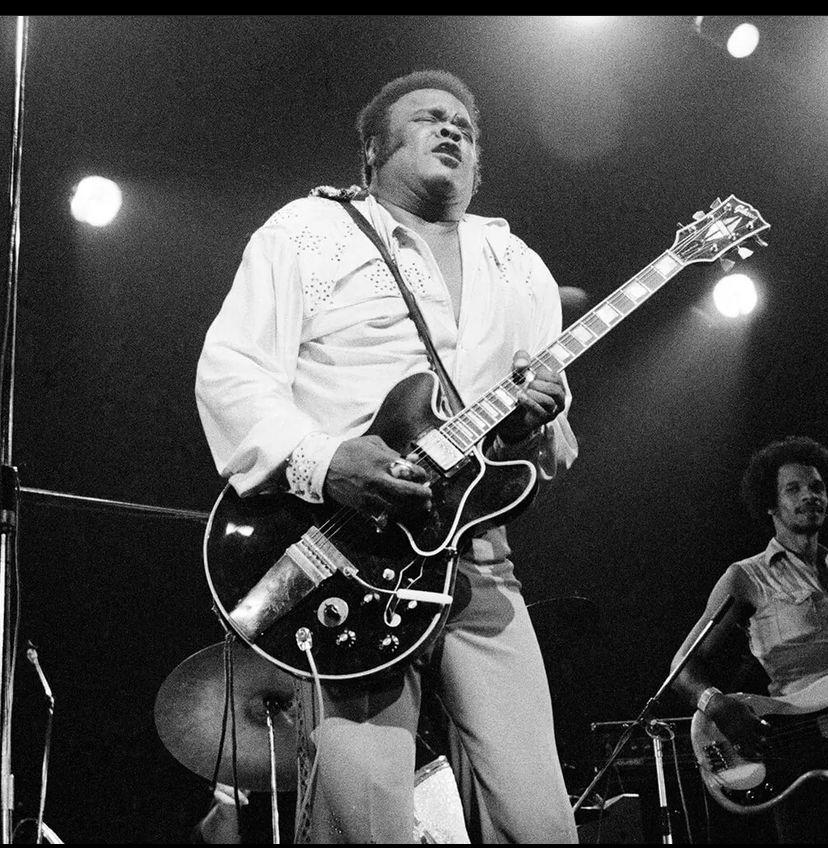
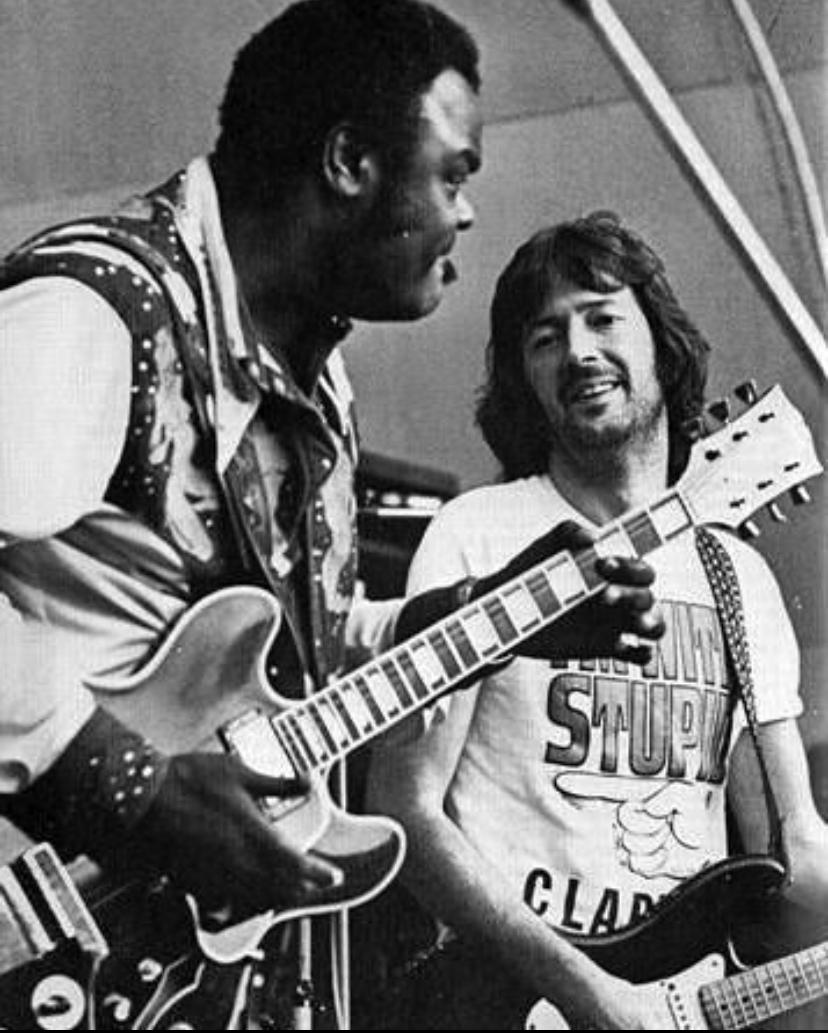
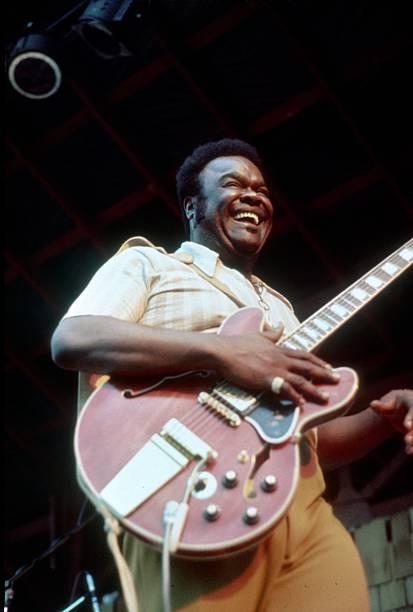
Para este humilde tributo he escogido una cerveza Brown inglesa historica, dificil, por no decir imposible, de encontrar a nivel comercial. Orientada a la malta y redondeada con un ligero toque de lúpulo inglés Challenger. Las maltas amber y brown aportan sabores y aromas a caramelo, nuez y pasas de frutos oscuros (ciruelas, higos, etc.) que le aportan un gran caracter. Deja que esta doble Brown envejezca y disfrutala despacio como se merece.
Si estas leyendo esto porque te he regalado una botella y su codigo QR te ha traido hasta aquí, quiero que sepas que significa que te aprecio y por eso has podido probar mi elaboración. Si has llegado a esta página por azar o por referencia te deseo mucha suerte.
¡¡¡Nos vemos en el camino…!!!
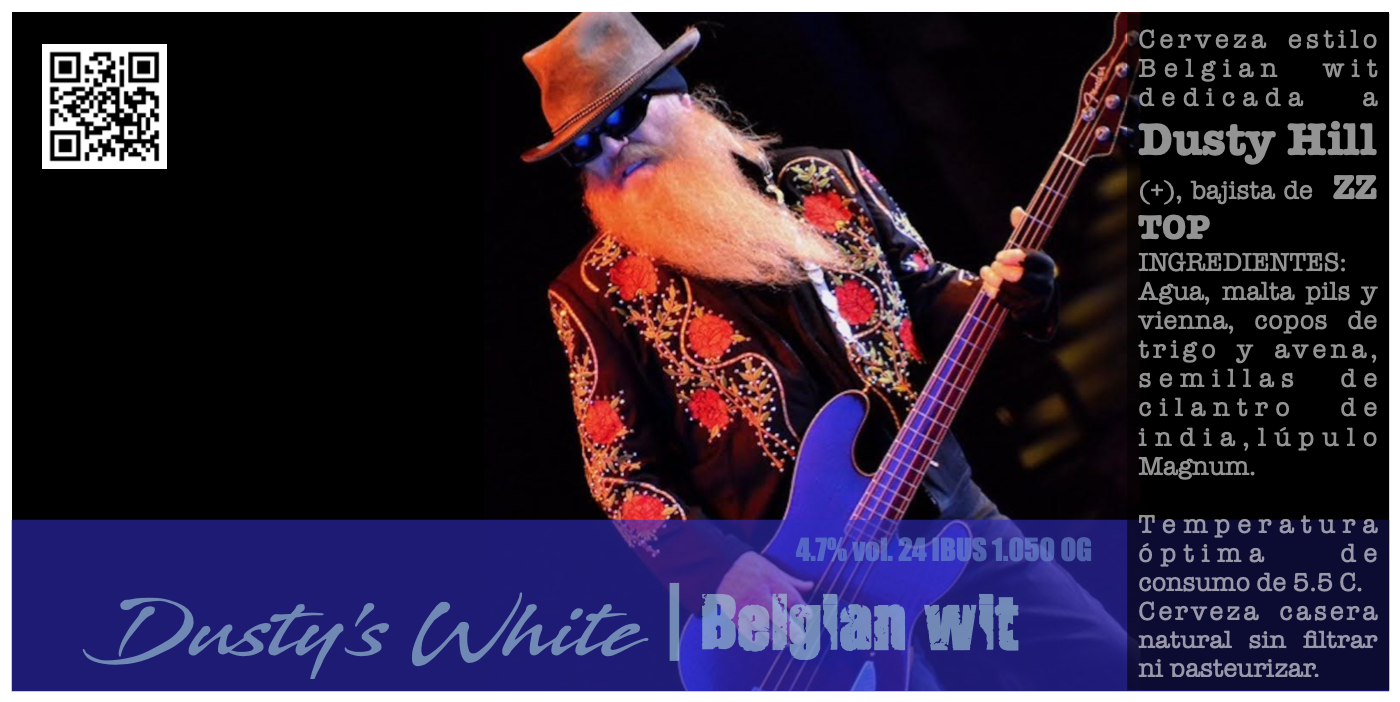
Mi próximo proyecto: Una wit al estilo Belga dedicada al recientemente fallecido ‘Dusty’ Hill, bajista de ZZ TOP. Siendo Tejano seguro que probó alguna Celis White de la herencia que dejó Pierre Celis en Texas.
Cerveza Blonde dedicada a la princesa Lïho-Minaa del planeta Mül. Si la realeza de Mül bebiese cerveza, esta seria su favorita: Una Blonde Lager.

Después de andar sobre el filo de la navaja con estilos complicados como puede ser una Berliner ácida con frutas, apetecia hacer una cerveza reducida a la mínima expresión, minimalista pero elegante y con cierto misterio. Este verano 2021 despues de lo que estamos sufriendo con el coronavirus me apetece algo simple y sin complicaciones.
En este estilo lo normal es que nada domine y todo sea muy sutil: un solo lupulo, una sola malta y nada de dry hopping o cargar mucho el late hopping que haga a los lúpulos resalten sobre la malta.
Dicho esto me he permitido dos licencias aun a riesgo de salirme del estilo. Un segundo lúpulo con toques frutales tropicales a los 15 minutos y un ligero toque de malta crystal clarita de 10L (20 EBC) para ayudar con un pelin de color, cuerpo y retención de espuma. Por otro lado voy a fermentar con una levadura lager como la que usa el grupo modelo en México (wlp-940 Mexican Lager de los laboratorios White labs) para darle un punto de suavidad extra y que sea muy bebible.
Voy a utilizar un metodo express para hacer la fermentación lager.
La princesa Lïho-Minaa es un personaje de ficción de la pelicula de acción, aventura y ciencia ficción francesa de 2017 ‘Valerian y la ciudad de los mil planetas‘, escrita y dirigida por el director frances Luc Besson.
Los Pearls del planeta Mül son misteriosos, espirituales y muy fresitas y por eso creo que beberían una blonde Ale que viene de perlas para el entorno paradisiaco y tropical donde viven.

Aquí teneis la Receta.
[beerxml recipe=https://bluesnbrews.es/MulBlonde.xml metric=true cache=-1]
¡Salud!
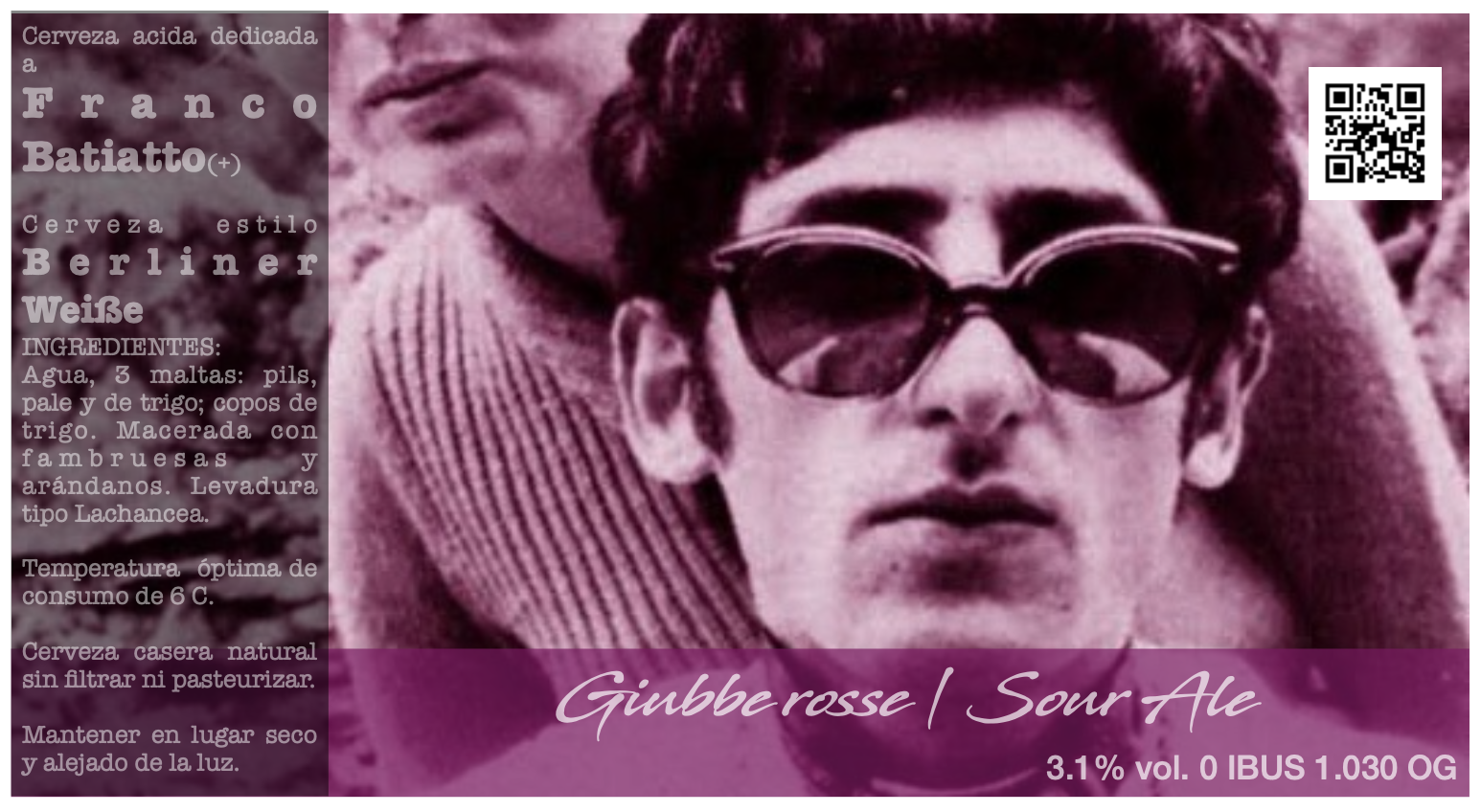
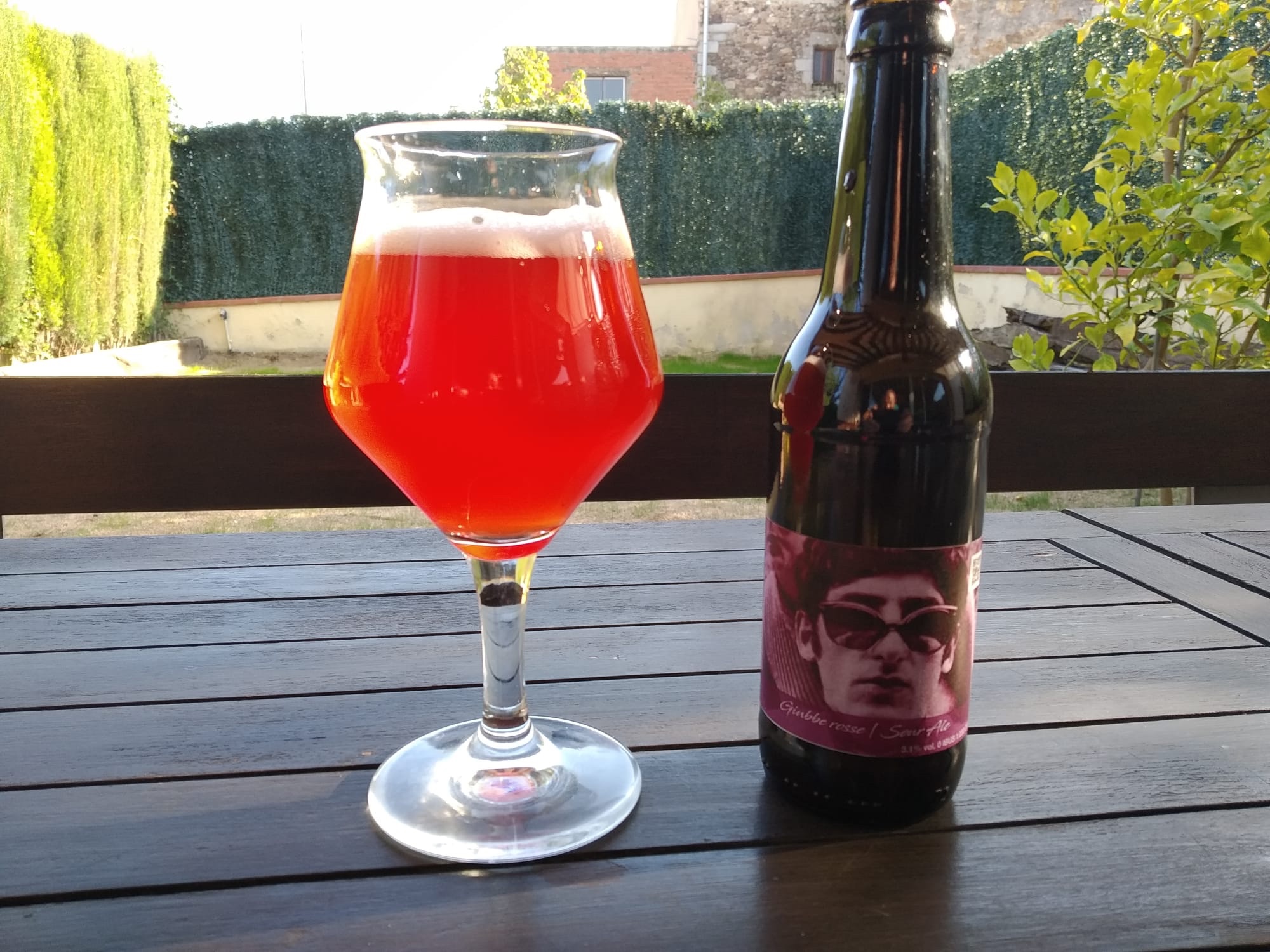
Cerveza ácida estilo Berliner Weiße macerada con arándanos y doble de frambuesas. Dedicada a Franco Battiato que falleció el pasado 18 de mayo a los 71 años de edad.
CONSIDERACIONES INICIALES
Es la primera vez que voy a utilizar una levadura de genero Lachancea thermotolerans
RECETA
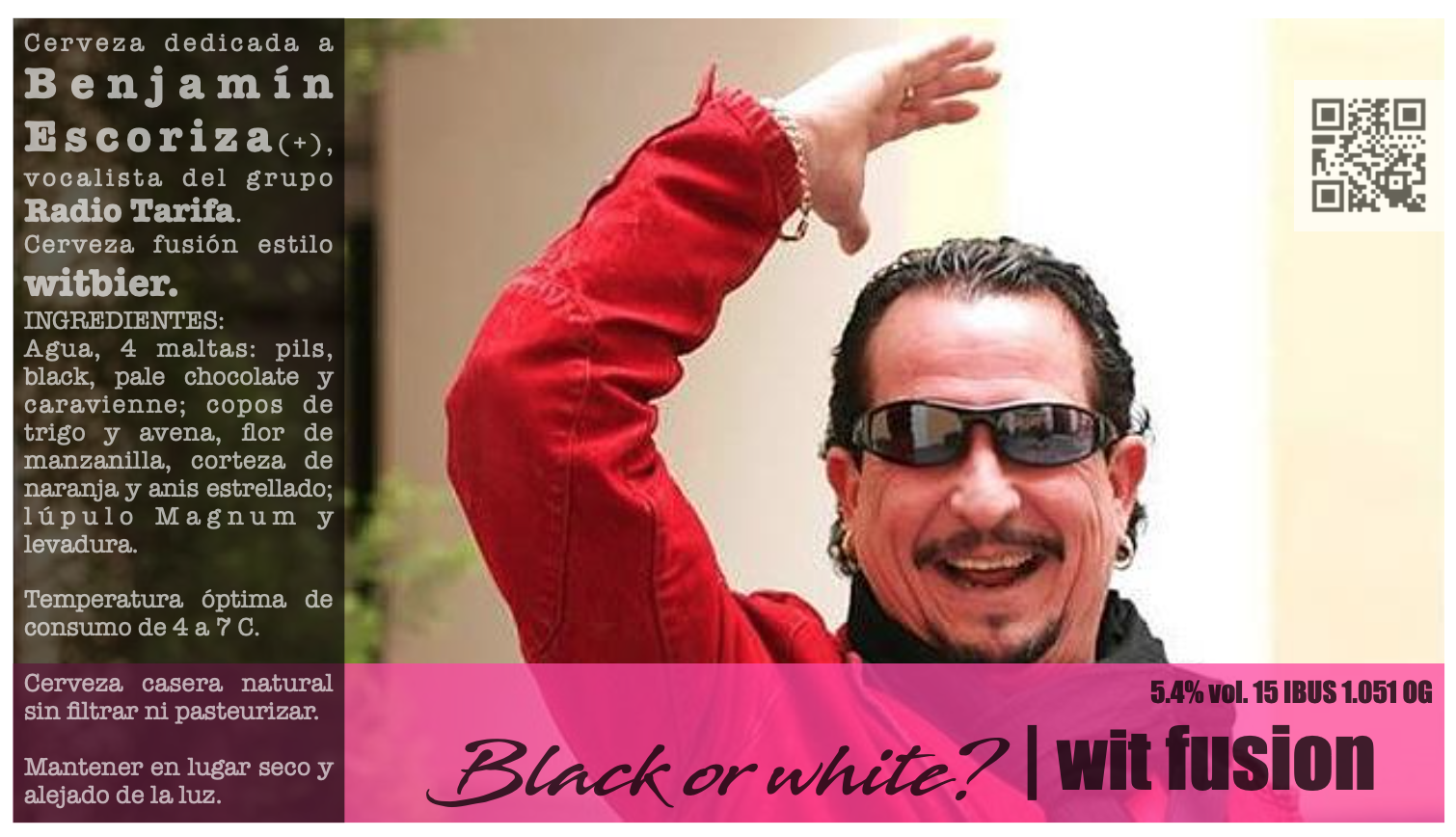
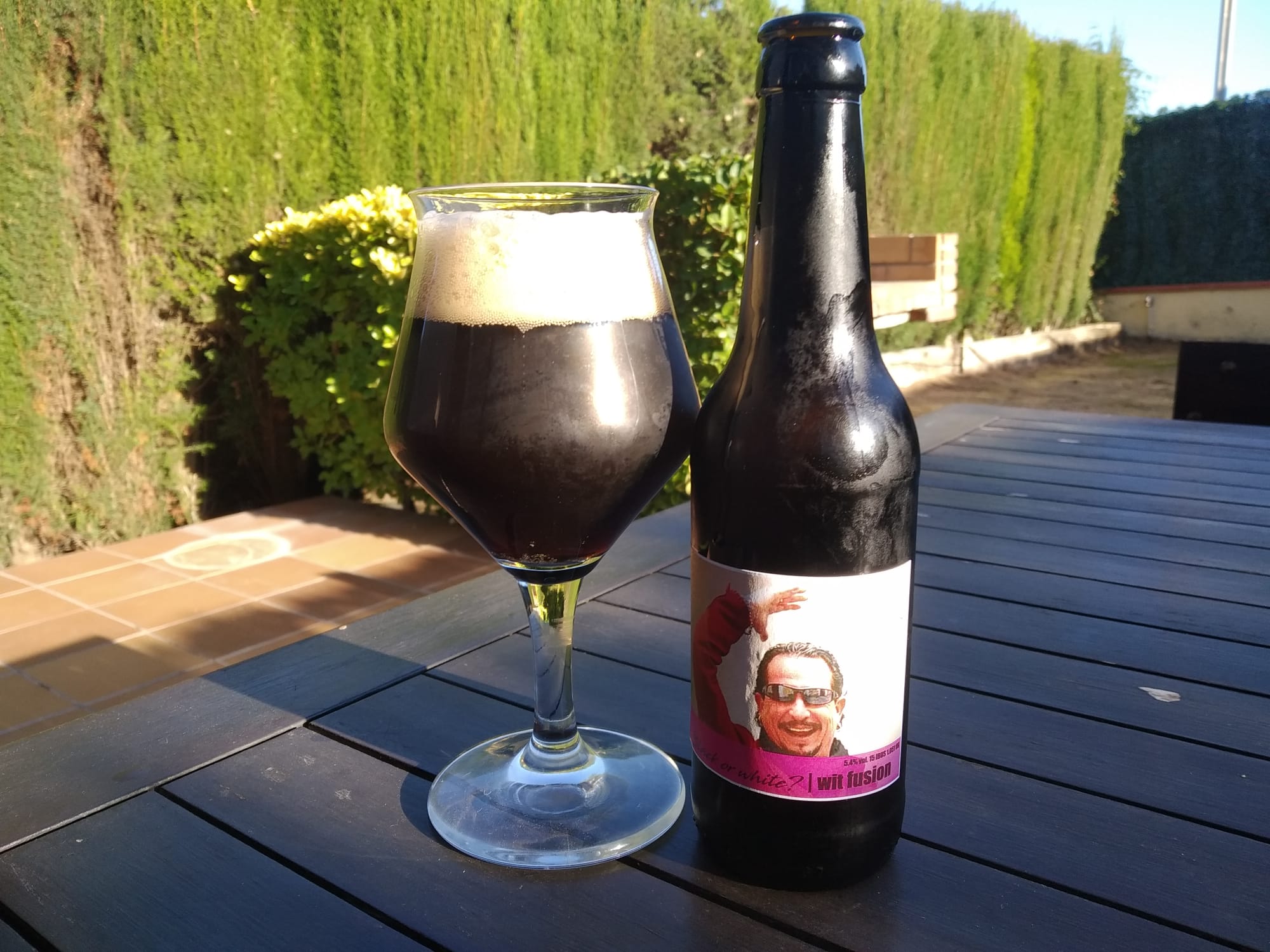
Cerveza negra fusión creada al estilo Witbier Belga con maltas negras. Aderezada con flor de manzanilla, corteza de naranja y anís estrellado.
Dedicada al ya desaparecido Benjamín Escoriza, voz del grupo Radio Tarifa.
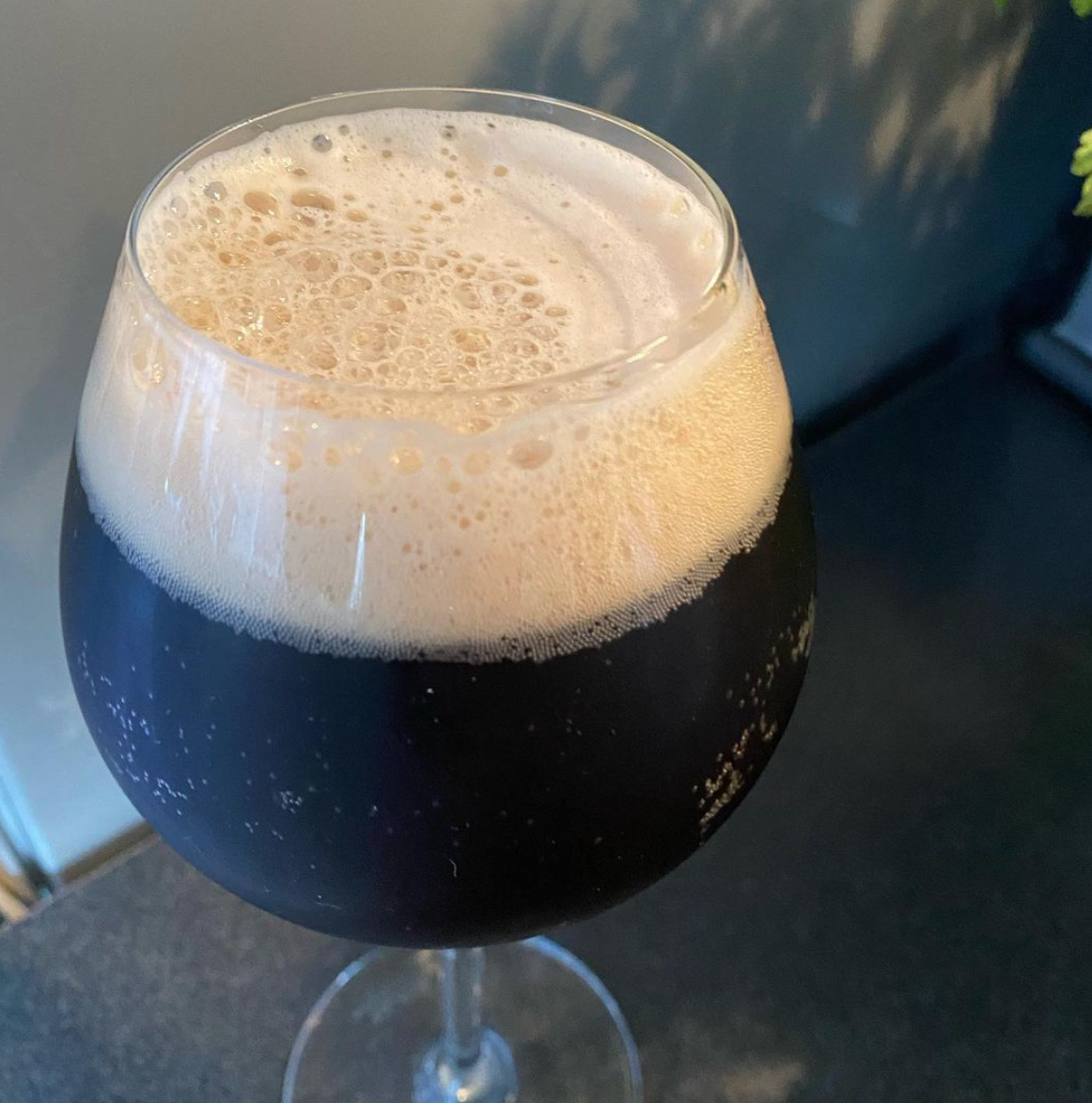
Cremosa, sedosa, regusto dulce con sabores a frutos maduros.
Cerveza estilo weißbier dedicada a Juan Valdivia, guitarrista de Héroes del Silencio.

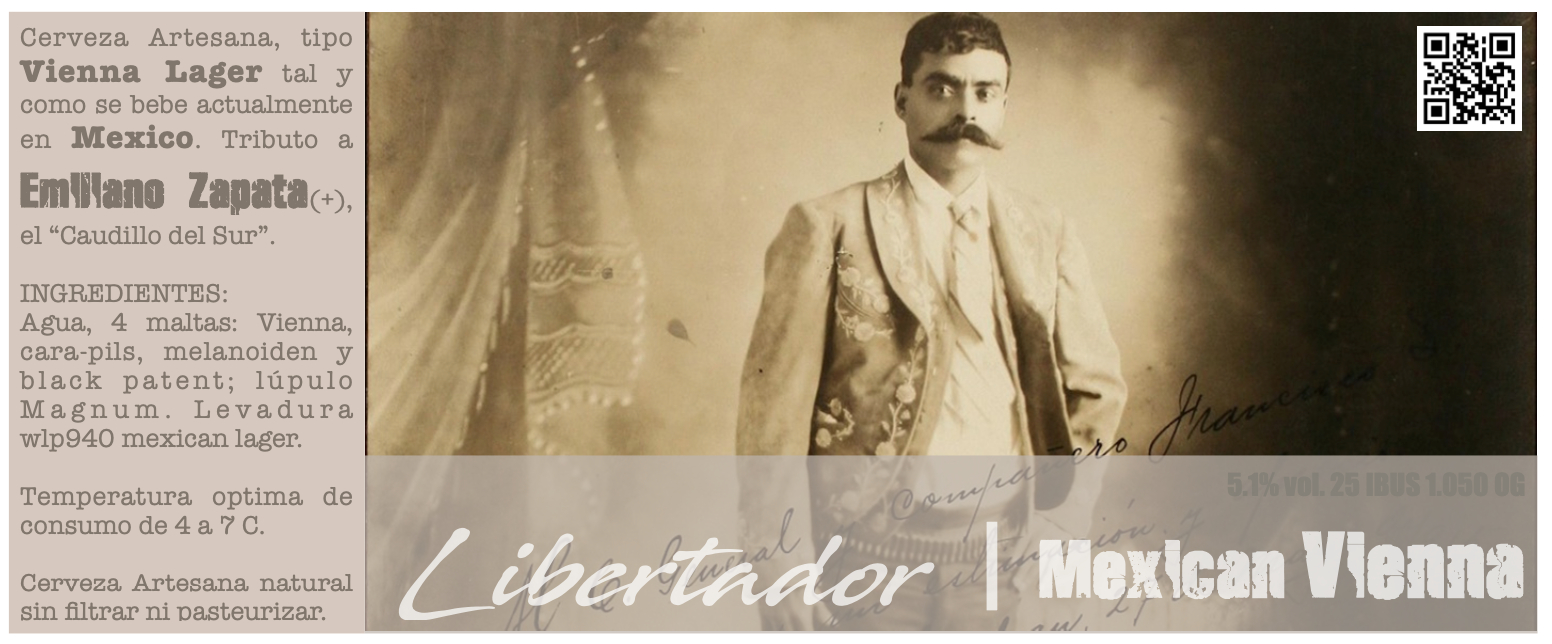
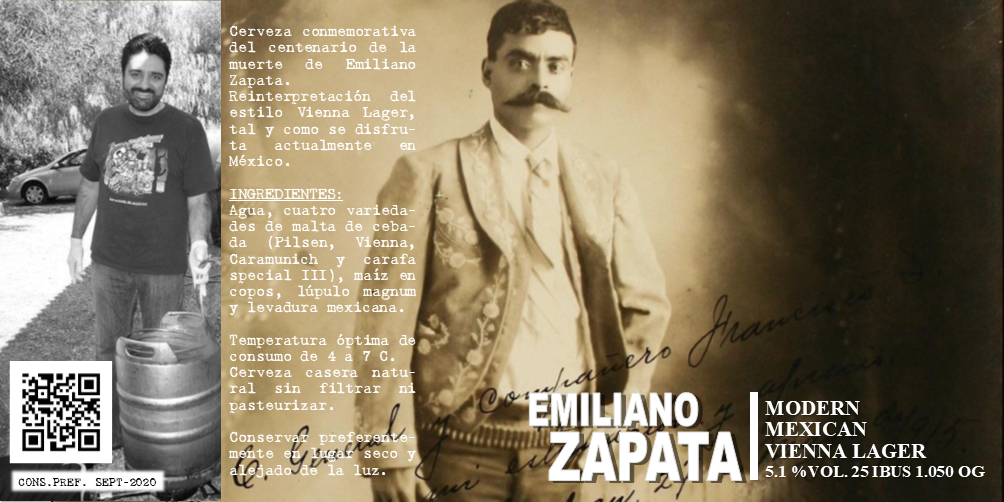
Espacio reservado para Emiliano Zapata Modern Mexican Vienna Lager
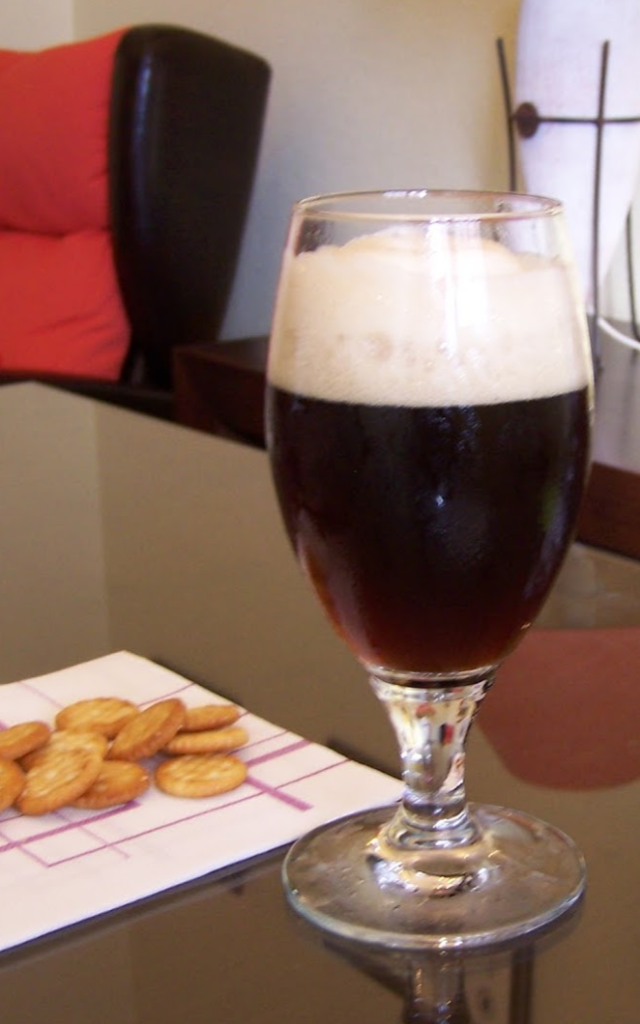
Se acerca el concurso anual 2019 de la Asociación de cerveceros caseros. Este año se celebra en Bilbao y el estilo estrella es la Czech lager. El año pasado se celebró en Cadiz y obtuve una medalla de bronce en la categoría de Ales con mi Joseliner Saison. Hay que revalidar el título o mejorarlo así que… ¡manos a la obra!
Siempre me gusta andar por senderos poco transitados y como se que todo el mundo va a elegir un clon de la Pilsener Urquell yo me voy a decantar por una versión oscura de una Czech Lager, es decir, una tmavé.
Según el BJCP 2015 podríamos describir la Tmavé como:
https://www.bjcp.org/docs/2015_Guidelines_Beer.pdf
A rich, dark, malty Czech lager with a roast character that can vary from almost absent to quite prominent. Malty with an interesting and complex flavor profile, with variable levels of hopping providing a range of possible interpretations.
La verdad es que esta definición deja mucho margen de interpretación. Habrá que pensar como un cervecero realista y simplificar lo máximo e intentar encajarla entre otros estilos encontrando las diferencias.
https://www.bjcp.org/docs/2015_Guidelines_Beer.pdf
The beer is the Czech equivalent of a dark lager ranging in character from Munich Dunkel to Schwarzbier, but typically with greater malt richness and hop character (aroma, flavor, and/or bitterness).
“I think the entry-level description is, think of a Czech pilsner versus a German pils. Now think of a schwarzbier,” Tonsmeire says. “Tmavé pivo is like the Czech version of German schwarzbier. It’s a little rounder, a little maltier, a little smoother, maybe, with a little more body.”
https://vinepair.com/articles/czech-beer-dark-lager/
En resumen y de forma simple es una cerveza lager oscura con sustancia tanto en malta como en lúpulo. Dejamos a un lado la neutralidad y ligereza de otras lager para dar mas mordida, mas misterio. Promete…. !
Datos numéricos:
OG: 1.044 – 1.060 FG: 1.013 – 1.017
IBUs: 18 – 34
ABV: 4.4 – 5.8%
SRM : 14-35
Ahora investiguemos que recetas se pueden encontrar por Internet:
en Beer & Brewing su aproximación es:
As with most of the Czech lager recipes you’ll run across, this one benefits from using a good floor-malted Pilsner as its base. If you can’t get fresh malt, though, you may want to improvise: fresh Maris Otter is better than stale floor-malted Pils, and if that’s your best choice you can augment your light-malt complexity with some Vienna or Munich and maybe some Crystal 10L. But assuming you have access to a homebrew shop with good pull-through, you can trust that the fresh floor-malted Pils will give you lots of complexity without the tinkering and trial-and-error: start with six pounds here. To that we’ll add one pound each of Victory malt and Caramunich malt, which will really ramp up the rich, toasty flavors in the beer. Last, add three-quarters of a pound of pale chocolate malt: it will impart lots of light coffee and chocolate notes with a hint of burnt husk. If you’re really committed to a very dark version – and if you’ll be entering this in competition, I might recommend it – you can adjust color with some midnight wheat or Carafa Special III. Otherwise, leave it be; it should end up a nice medium-brown with ruby highlights.
https://beerandbrewing.com/make-your-best-czech-dark-lager/
Hopping is pretty easy: two ounces of Saaz, one at 60 minutes or first-wort hopping, and one at 20 minutes remaining. That should give you about 25 IBUs, but if it’s a low-alpha-acid percentage harvest year, just adjust your initial addition upwards to get there.
And it’s back to the regionally-appropriate Wyeast 2124 Bohemian Pilsner yeast, here. I don’t always recommend the regional yeast-of-choice, but sometimes it’s just the best call – most of the Czech lagers fall into that category.
58% – Weyermann Floor Malted Bohemian Pilsner
https://www.themadfermentationist.com/2015/12/tmave-pivo-czech-dark-lager.html
30% – Weyermann Floor Malted Bohemian Dark
7% – Weyermann CaraMunich II
5% – Weyermann Carafa Special II
Ivan Chramosil probably knows more about tmavé pivo than anyone on this planet, having served as the brewmaster at U Fleků for over 44 years before finally “retiring” in early 2016. He now consults at different breweries, including U Supa, in Prague’s historic Old Town.
https://vinepair.com/articles/czech-beer-dark-lager/
When I stop by U Supa to ask Chramosil for a basic tmavé pivo recipe, he spells out the answer like it should be obvious: about 50 percent Pilsner malt, between 30 and 40 percent Munich malt, up to 15 percent of a caramel malt like CaraMunich, and at most 5 percent of a very dark malt like Weyermann’s Carafa II Special. That last percentage of dark malt, he notes, can also include a small portion of something like Weyermann’s CaraAroma, though he warns about overdoing things.
“You have to be very careful with the roasted malt,” Chramosil says. “It should affect the color, but not really the taste.”
In terms of bitterness, Chramosil suggests around 25 IBUs for the most common tmavé pivo with around 5 percent alcohol, and he specifically recommends Czech Saaz hops. (A typical tmavé can have as little as 3.8 percent ABV, and up to 6 percent or so in what the Czechs call “speciál” beer.)
Mas o menos ya vamos teniendo claro de que va el estilo: pilsen, algo de light crystal y carafa para el color. Sobre los lupulos sin duda tenemos a saaz como protagonista. Pero ahora viene lo peor.
Just as important as the ingredients, Chramosil says, is the process.
https://vinepair.com/articles/czech-beer-dark-lager/
“The fullness and the drinkability of Czech tmavé pivo is done by decoction mashing,” he says. “This should not be an infusion mash. It really has to be a decoction mash.”
La decoción es obligatoria para conseguir un producto redondo. No vale infusión simple…. Pues la hemos liado ya que de momento no tengo espacio ni tiempo para abordar la deccocción que en resumidas cuentas es:
removing about a third of the mash to a different kettle, raising it to the boiling point, holding it there for 20 minutes or so, and then returning it back to the main mash
https://vinepair.com/articles/czech-beer-dark-lager/
Y… ¿Qué hacemos?… ¿Cómo obtener un simil del sabor de la decocción sin hacer una decocción?… Vamos a investigar un poco en Internet
So what do we get out of decoction mashes? We get some color. We get a bit more clarity in the finished beer. Both are negligible in terms of their contribution to the beer.
More importantly, we get melanoidins. Boiling the base grains in a decoction tends to produce these rich-tasting compounds, but instead of using a decoction mash we can tune the recipe and use particular specialty malts (including, as you might guess, melanoidin malt) to get some of that same melanoidin character in our beer. Now, it is important to note that every decoction will produce different levels of these flavors based on the process and the equipment, but most studies agree that at least some melanoidin production occurs. In light of that, I would strongly urge you to add such malts sparingly, even in darker decoction-mimicking beers (such as Dopplebock). While some recipes call for 4, 5, or even 10 percent melanoidin malt, I usually recommend 2 percent. It’s enough to provide for a small boost in the rich toast background flavor without overwhelming the other subtle flavors in your beer.
https://beerandbrewing.com/how-to-get-decoction-results-without-actually-doing-a-decoction-mash/
You might also consider not only melanoidin malt in your recipe, but other lighter-kilned character malts such as Victory (toasted) malt, aromatic malt, or even amber malt (all in the 20–30L range). Each, through its own production process, carries through to the beer a touch more of the melanoidin characters that decoction mashing can provide. While there are no guarantees that you’ll clone a decoction-produced beer (many note that decoction mashing can result in only limited melanoidin production, depending on boil intensity, process, and duration), these character malts are certainly not going to hurt your beer. Experiment with them until you find one you like, but be prepared to change things up for different recipes!
Desde el punto historico del estilo imagino que el cervecero checo de siempre no tenia a su alcance todo el rango de maltas que tenemos ahora y esto es como una supercamara fotografica digital: disponer de tantas posibilidades tambien puede ser la causa de hacer una mala foto o en este caso hacer una cerveza masticable y empachosa fuera de estilo. En resumen: no abusemos y mantengamos la receta simple y muy bebible.
[beerxml recipe=https://bluesnbrews.es/joselinertamave.xml]